krika2810@krika2810
krika2810/keep-cache-warm
一个 Claude Code 函数钩子插件,用来保持 1 小时的提示缓存处于热状态:空闲约 55 分钟后,它通过 $.model.fork 重放缓存前缀,让下一轮避免完整缓存写入,并设有 ping 上限和安全措施。
krika2810/keep-cache-warm
cache-keepalive 是一个 Claude Code mod(函数钩子插件),适用于 Claude Code 2.1.289,可在你暂时离开时让 1 小时的提示缓存保持有效。
工作方式:
turn.step,记录每次主线程模型请求的发送时间,只统计响应报告缓存读取或写入的请求。$.model.fork,发送一个很短的“reply ok”提示,准确重发主线程的最后一个请求,让 API 从缓存提供整个前缀,并在不进行完整缓存写入的情况下重新开始该条目的 60 分钟生命周期。安全措施:ping 上限(maxPings,默认 6,0 = 不限)、在 59+ 分钟时跳过延后的计时器、没有缓存命中时停止并显示 toast、忽略子代理请求、不在工作阶段中途 ping,以及失败的请求不算作预热。
成本:一次 ping 按一次缓存读取,加上 fork 未缓存的输入/输出(包括 thinking)计费。在大多数模型上,缓存读取的费用是基础输入的 0.1 倍(部分模型更低)。没有 ping 时,过期后的第一轮会以基础输入的 2 倍重写整个对话,因此对于大型对话,keep-alive 通常更便宜;但对于小型对话或 ping 次数很多时,成本可能更高。
用法:/cache-keepalive(状态)、off、on、now。状态行显示 cache keep-alive: armed (n/6)。
通过 /config 或 pluginConfigs 设置选项:idleMinutes(默认 55,限制在 1-58)和 maxPings(默认 6)。
加载:claude --plugin-dir ./keep-cache-warm。验证/测试:claude plugin validate . 和 claude plugin test .。授权采用 MIT。
请先查看作者 README 确认 marketplace 和插件名称;命令可能随仓库结构改变。
claude plugin marketplace add krika2810/keep-cache-warm
claude plugin install cache-keepalive
cache-keepalive: a Claude Code mod (function-hooks plugin) that keeps the 1-hour prompt cache from going cold while you step away.
Compatibility: Claude Code mods and function hooks are early access, and their API can change between Claude Code releases. This repository was tested against Claude Code 2.1.289. After upgrading, load the mod once so Claude Code rewrites its type definitions in
.claude-plugin/types/. Then re-runclaude plugin validate .andclaude plugin test ..
turn.step and records when each main-thread model request is sent. It counts only requests whose response reports cache reads or writes.$.model.fork with a tiny "reply ok" prompt. The fork resends the main thread's last request exactly (same model, system prompt, tool definitions and messages) with that prompt appended. The API serves the whole prefix from the cache, and the read restarts the entry's 60-minute lifetime without paying for another full cache write.maxPings pings in a row (default 6, about 5.5 hours) so an abandoned session doesn't keep spending. Set it to 0 for no limit.A ping is not free. It is billed as one cache read of the conversation, plus the fork's uncached input (its short prompt) and its output, including any thinking. A cache read costs 0.1× the base input price on most models, and less on some: 0.05× on Claude Opus 5.5 and 0.025× on Claude Fable 5.1.
Without the ping, the first turn after the cache expires writes the whole conversation to the cache again. With the 1-hour TTL, that write costs 2× the base input price. For a large conversation, a keep-alive read is usually much cheaper than that rewrite. The fork's own input and output costs don't shrink with the conversation, though, so on a small conversation, or after many pings in a row, keeping the cache warm can cost more than letting it expire. That is why maxPings caps the run.
/cache-keepalive           # status: minutes until the next ping, pings sent
/cache-keepalive off       # stop for this session
/cache-keepalive on        # resume
/cache-keepalive now       # ping immediately
The status line shows cache keep-alive: armed (n/6) while a countdown is running.
/config or pluginConfigs in settings)| Field | Default | Meaning |
| --- | --- | --- |
| idleMinutes | 55 | Minutes after the last cache-touching request before a ping (clamped to 1–58, so a ping is always due before the 59-minute cutoff) |
| maxPings | 6 | Pings in a row before giving up; 0 means no limit |
claude --plugin-dir ./keep-cache-warm
claude plugin validate .
claude plugin test .

Claude Code 插件:压缩工具输出、在压缩前创建检查点、评估上下文质量,并在本地面板报告 token/成本节省;附带 hooks 和本地主机守护进程。


一个 Claude Code mod,用静默 ping 保持空闲会话的提示缓存温热,然后在缓存仍然温热时压缩大型会话一次。
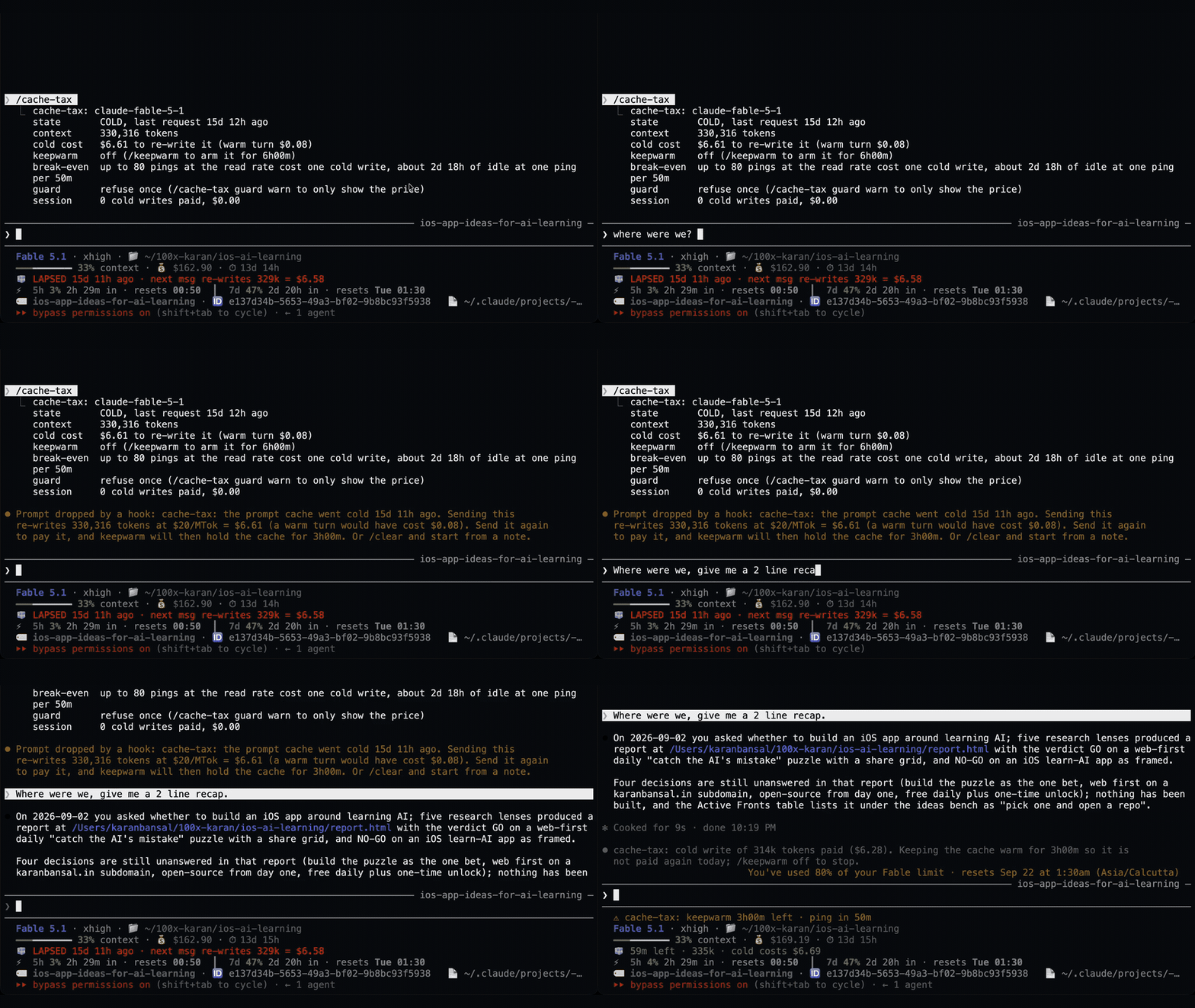
Claude Code 插件在休息期间保持一小时提示缓存温热,并在冷缓存发送前显示一次预计重写成本。预热会使用模型请求并消耗 token。需要 Claude Code 2.1.287+。