gtapps@gtapps
gtapps/hermitd/tree/main/plugins/hermitd
在 Claude 應用程式、Discord、Telegram 或自訂 Claude Code channel 中使用你自己的本機 Claude Tag。
gtapps/hermitd/tree/main/plugins/hermitd
注意: Claude Code 2.1.287 會封鎖名稱含有
claude*的外掛,因此這個專案從claude-code-hermit改名為hermitd。遷移方式。
在自己的電腦或伺服器上執行持續在線的 Claude Code agent,供自己或團隊使用。可以從終端機或 Claude 應用程式透過 Remote Control 使用它,也可以連接 Discord、Telegram、iMessage 或自訂 Claude Code 頻道。
把持續性的職責交給它:維護研究資料、監控系統、執行例行工作,並跟進未完成的工作。在收到下一次請求之前,它會檢查這些職責,跨工作階段保留進度,並在需要處理事情時聯絡你。
在 Claude 訂閱上執行它,再用自己的 MCP 伺服器、skills 和外掛擴充能力。
<p align="center"> <img src="assets/cover.png" alt="持續在線的 Claude Code agent" /> </p><a id="quick-start"></a>
從下面選擇一種安裝方式。 在你希望放置 agent 的資料夾中執行,可以是空資料夾,也可以是現有專案。Linux、macOS 或透過 WSL2 執行的 Windows 都會使用你的 Claude 訂閱。請參閱先決條件。
<details open> <summary>安裝 Claude Code 外掛</summary>先安裝 Claude Code 2.1.287+ 和 Bun 1.3+:
claude plugin marketplace add gtapps/hermitd
claude plugin install hermitd@hermitd --scope local
claude "/hermitd:hatch"
它會準備 Claude Code、Bun 和 tmux,安裝外掛,然後啟動設定:
curl -fsSL https://gtapps.github.io/hermitd/install.sh | bash
兩種方式都會為這個資料夾安裝 Hermit。Hatch 會引導你設定 agent 的用途和偏好,然後說明如何啟動它。選擇 Quick 即可採用之後能再調整的預設值。
設定完成後,按照輸出的下一步啟動 agent。
在持久的 tmux 工作階段中執行:
hermitd start
需要 tmux。只要電腦保持開機,watchdog 就會恢復失敗的工作階段。無人值守使用時,建議開啟 Claude Code 的 /sandbox。要連接聊天,請按照設定交接的指示執行 /hermitd:channel-setup。
在 Claude Code 中執行引導設定:
/hermitd:docker-setup
它會建立並啟動容器,然後引導你完成身分驗證和頻道配對。需要 Docker Compose v2。
自訂容器。 讓 agent 為 Docker 設定加入工具、套件或服務。例如:“Add ffmpeg to the container.”
可選的 Docker 安全控制涵蓋本機網路存取、DNS 政策、資源限制和外掛安裝稽核。
連續性。 持久的工作狀態和封存的工作階段交接會跨越壓縮和重新啟動保留進度。外部 watchdog 會恢復失敗的工作階段,而內容管理讓長期執行的工作階段更容易維持。
主動工作。 Heartbeat 會定期檢查你交給 agent 的職責。Routines 會執行排程工作,watches 會顯示變化。它們結合後,agent 不必等待下一次請求就能跟進工作。
透過聊天工作。 在已連接的聊天中分派工作並接收結果。較長的指派會以 thread 更新進度;當 agent 需要決定時,會另外回覆一則訊息。指派也能帶有持久任務記錄,其中包含請求者、到期日、結果確認,以及按人員檢視的儀表板。
Token 效率。 借助 Claude Code 的 Monitor,heartbeat 檢查和可選的 routine 預檢查會在模型之外執行。安靜檢查和跳過的 routine 不會使用模型 token;同時到期且符合條件的 routine 可以共用一次喚醒。
持久知識。 把 raw/ 中的來源資料轉成 compiled/ 中持續維護的知識,與 Claude Code 的自動記憶並存。/recall 可以搜尋過去的工作階段、知識、提案和擷取的頻道對話。
從經驗學習。 agent 會檢查工作和操作中的證據,保存有用的經驗,並在把擬議的行為變更交給你核准前驗證它們。
控制與可見性。 透過儀表板追蹤進度、提案和用量。暫停會在工具邊界強制執行,可選的用量上限可以提醒你,或暫停進一步工作。
成為專案頻道的一部分。 使用 passive mode 時,agent 會保存收到的群組訊息供之後查看,並在獲准的使用者 @提及它時喚醒。它也會記住該頻道的指示。例如:“When I ask for a status update, include blockers.”
<a id="configure-it"></a>
在終端機中使用 /hermit-settings 調整設定,或從受信任的 Discord 或 Telegram 聊天中修改獲准的設定。每次寫入都會經過驗證,並記錄在經過遮罩的稽核帳本中;/hermit-settings history [setting] 會顯示變更內容。可用設定包括:
| Key | 預設值 / 選項(預設值以 粗體 顯示) |
|-----|--------------------------------------|
| agent_name | 你的 assistant 名稱 |
| operator_profile | 主要聊天對象:technical / non-technical |
| timezone | 設定時偵測;回退為 UTC |
| language | 設定時偵測;回退為 en |
| escalation | 詢問前會執行多少工作:conservative / balanced / autonomous |
| model | 工作階段模型:sonnet |
| permission_mode | 無人值守 agent 可以多自由地行動:auto |
| AGENT_HOOK_PROFILE | 防護設定檔:minimal / standard(互動)/ strict(持續在線) |
| channels | Discord / Telegram / iMessage / 第三方頻道外掛(以及 allowed_users) |
| channels.primary | 接收外發通知的頻道 |
| channels.<name>.maintainer_channel_id | 可選的獨立聊天,用於技術警示、診斷和用量詳情 |
| push_notifications | 警示時使用原生/行動推播:true |
| remote | 遠端控制;false 還需要核准跨電腦的對等訊息;true |
| ask_gate | 把無人值守的問題轉到已配對的頻道:true |
| budget | 可選的每日 / 每週 / 每月上限;alert 或繫結的 pause 動作 |
| artifacts | 儀表板 / 提案 / 每週檢視:已啟用儀表板和提案 |
| heartbeat.enabled | 定時的閒置掃描:true |
| heartbeat.every | 閒置掃描間隔:30m |
| heartbeat.active_hours | 活躍時段:08:00–23:00 |
| routines | 由 /hermit-routines 管理的持久 routines |
| monitors | 由 /watch 管理的持久背景 watches |
| scheduled_checks | 任務完成時觸發的工作階段 skills |
| reflection.graduation_min_sessions | 提案重複出現的門檻:1 |
| quality_gate.tier | 變更後的清理投入:budget / balanced / quality |
| knowledge.compiled_budget_chars | 新鮮/恢復啟動時的目錄預算:2500 |
| knowledge.raw_retention_days | raw/ 保留時間:14 |
| knowledge.working_set_warn | 編譯檔案超過 N 份時發出警告:20 |
| auto_session | 開機時自動啟動工作階段:true |
| boot_skill / shutdown_skill | 自訂啟動 / 拆除 skill |
| context_hygiene.clear | 安全邊界的內容清理:已啟用,安靜時長 1h,最大年齡 24h,最低 20,000 token |
| context_hygiene.compact | 壓縮長期執行的活躍內容:已啟用,100000 個可壓縮 token / 4h 冷卻 |
| CLAUDE_AUTOCOMPACT_PCT_OVERRIDE | 在內容的百分比達到此值時自動壓縮:65 |
| MAX_THINKING_TOKENS | 每次工作的思考 token 上限:10000 |
| watchdog.scheduler_enabled | watchdog tick 的作業系統排程器:在 tmux 持續在線模式下為 true(開機時自動安裝);false 或 hermitd-watchdog uninstall 可選擇退出 |
| watchdog.enabled | 復原/重新啟動層級:false,直到首次排程器註冊(或執行 /docker-setup);清理仍會執行 |
完整架構見 設定參考
產物。 agent 使用 Claude Code Artifacts 提供互動式儀表板和按需產生的自訂頁面,你可以檢視、互動和分享。讓它建立符合實際追蹤內容的專屬 agent 儀表板。
從終端機或已連接的聊天請求更新:
| Command | 提供內容 |
|---------|---------|
| /brief | 目前狀態和近期工作的摘要。 |
| /recall | 搜尋過去的工作階段、知識、提案和擷取的對話。 |
| /hermit-health | 警示、routines、頻道、阻塞事項和近期學習。 |
| /hermit-doctor | 安裝、執行階段、排程、認證資料和權限的診斷。 |
| /hermit-evolution | 成本趨勢、提案活動、routines 和 agent 產出的內容。 |
| /cost-reflect | 按 token 類型、工作階段和工作觸發原因拆分用量。 |
| /hermit-dashboard-design | 根據 agent 實際追蹤的內容設計儀表板。 |
agent 會檢查工作和操作中的證據。持久的經驗會寫入記憶;會改變行為的非平凡想法會經過驗證、去重,再交給你核准。
工作產生證據
          │
          ▼
到期時反思
          │
          ▼
驗證並去重
          │
     ┌────┴────┐
     ▼         ▼
記住       提議
一條經驗   一項變更
                 │
                 ▼
           你核准嗎?
              │     │
             否     是
              │     │
          不變更   實作
                        │
                        ▼
                    驗證結果
                        │
                        ▼
                    未來證據
在符合條件的任務或工作階段暫停時、每日,以及執行設定為進行反思的 routine 後,系統會執行反思。已核准的變更可以立即開始,變成任務,或留給手動實作。驗證通過,或之後的證據顯示問題已經消失時,提案會變成已解決狀態。
後續驗證。 agent 會檢查修正或預測是否隨著時間保持有效。例如:“/later check tomorrow whether those errors have returned.”
新的幫助方式。 agent 會根據你的工作和可用工具提出新能力。例如:“What else could you be doing for me?”
安靜的 heartbeat 檢查、跳過的 routines 和 passive chat capture 不會使用模型 token。工作、評估和回覆會消耗用量;內容管理會讓對話歷史保持在可控範圍。
/cost-reflect。請先查看作者 README,確認 marketplace 與外掛名稱;指令可能隨儲存庫結構而變動。
claude plugin marketplace add gtapps/hermitd
claude plugin install hermitd
Notice: Claude Code 2.1.287 blocks plugins named
claude*, so this project moved fromclaude-code-hermittohermitd. How to migrate.
Run an always-on Claude Code agent on your machine or server, for you or your team. Use it from your terminal or the Claude app via Remote Control, or connect Discord, Telegram, iMessage, or a custom Claude Code channel.
Give it ongoing responsibilities: maintain research, monitor systems, run routines, and follow up on unfinished work. Between requests, it checks those responsibilities, carries progress across sessions, and reaches you when something needs attention.
Run it on your Claude subscription and extend it with your own MCP servers, skills, and plugins.
<p align="center"> <img src="assets/cover.png" alt="Always-on Claude Code agent" /> </p><a id="quick-start"></a>
Choose one installation method below. Run it from the folder where you want your agent, empty or existing. Uses your Claude subscription on Linux, macOS, or Windows via WSL2. See prerequisites.
<details open> <summary>Install the Claude Code plugin</summary>With Claude Code 2.1.287+ and Bun 1.3+ installed:
claude plugin marketplace add gtapps/hermitd
claude plugin install hermitd@hermitd --scope local
claude "/hermitd:hatch"
Prepares Claude Code, Bun, and tmux, installs the plugin, and launches setup:
curl -fsSL https://gtapps.github.io/hermitd/install.sh | bash
Both options install Hermit for this folder. Hatch guides you through the agent’s purpose and preferences, then shows how to start it. Choose Quick for defaults you can adjust later.
After setup, follow the printed next steps to start your agent.
Run in a persistent tmux session:
hermitd start
Requires tmux. The watchdog recovers failed sessions while your machine stays on. Claude Code's /sandbox is recommended for unattended use. To connect a chat, run /hermitd:channel-setup as directed by the setup handoff.
Run the guided setup in Claude Code:
/hermitd:docker-setup
Builds and starts the container, then walks you through authentication and channel pairing. Requires Docker Compose v2.
Customize the container. Ask the agent to add tools, packages, or services to its Docker setup. For example: “Add ffmpeg to the container.”
Optional Docker security controls cover local-network access, DNS policy, resource limits, and plugin installation auditing.
Continuity. Persistent working state and archived session handoffs carry progress across compaction and restarts. An external watchdog recovers failed sessions, while context management keeps long-running sessions manageable.
Proactive work. Heartbeats regularly check the responsibilities you give the agent. Routines run scheduled work, and watches surface changes. Together, they let the agent follow up without waiting for another request.
Work through chat. Assign work and receive results in your connected chat. Longer assignments get threaded progress updates, with a separate reply when the agent needs a decision. Assignments can also carry a persistent task record with requester, due date, result confirmation, and a dashboard view by person.
Token efficiency. With Claude Code’s Monitor, heartbeat checks and optional routine prechecks run outside the model. Quiet checks and skipped routines use no model tokens; eligible routines due together can share a wake.
Lasting knowledge. Turn source material in raw/ into maintained knowledge in compiled/, alongside Claude Code's auto memory. /recall searches past sessions, knowledge, proposals, and captured channel conversations.
Learning from experience. The agent reviews evidence from its work and operation, saves useful lessons, and verifies proposed behavior changes before bringing them to you for approval.
Control and visibility. Track progress, proposals, and usage through the dashboard. Pause is enforced at the tool boundary, and optional usage caps can alert you or pause further work.
Part of your project channel. With passive mode, the agent saves incoming group messages to look back on later, and wakes when someone you allow @mentions it. It also remembers instructions for that channel. For example: “When I ask for a status update, include blockers.”
<a id="configure-it"></a>
Tune from a terminal with /hermit-settings, or change permitted settings from a trusted Discord or Telegram chat. Every write is validated and recorded in a redacted audit ledger; /hermit-settings history [setting] shows what changed. Some of the settings available:
| Key | Default / options (default bold) |
|-----|--------------------------------------|
| agent_name | your assistant's name |
| operator_profile | primary-chat audience: technical / non-technical |
| timezone | detected during setup; fallback UTC |
| language | detected during setup; fallback en |
| escalation | how much it does before asking: conservative / balanced / autonomous |
| model | session model: sonnet |
| permission_mode | how freely the unattended agent acts: auto |
| AGENT_HOOK_PROFILE | guardrail profile: minimal / standard (interactive) / strict (always-on) |
| channels | Discord / Telegram / iMessage / third-party channel plugins (+ allowed_users) |
| channels.primary | which channel gets outbound pings |
| channels.<name>.maintainer_channel_id | optional separate chat for technical alerts, diagnostics, and usage details |
| push_notifications | native/mobile push on alerts: true |
| remote | remote control; false also requires approval for cross-machine peer messages; true |
| ask_gate | route unattended questions to a paired channel: true |
| budget | optional daily / weekly / monthly caps; alert or binding pause action |
| artifacts | dashboard / proposals / weekly review: dashboard and proposals enabled |
| heartbeat.enabled | timed idle sweeps: true |
| heartbeat.every | idle sweep cadence: 30m |
| heartbeat.active_hours | active window: 08:00–23:00 |
| routines | persistent routines managed via /hermit-routines |
| monitors | persistent background watches managed via /watch |
| scheduled_checks | session-triggered skills at task completion |
| reflection.graduation_min_sessions | proposal recurrence bar: 1 |
| quality_gate.tier | post-change cleanup spend: budget / balanced / quality |
| knowledge.compiled_budget_chars | fresh/resumed startup catalog budget: 2500 |
| knowledge.raw_retention_days | raw/ retention: 14 |
| knowledge.working_set_warn | warn above N compiled docs: 20 |
| auto_session | auto-start session on boot: true |
| boot_skill / shutdown_skill | custom boot / teardown skill |
| context_hygiene.clear | safe-boundary context clear: enabled, quiet 1h, max age 24h, minimum 20,000 tokens |
| context_hygiene.compact | compact long-running active context: enabled, 100000 compactible tokens / 4h cooldown |
| CLAUDE_AUTOCOMPACT_PCT_OVERRIDE | auto-compact at % of context: 65 |
| MAX_THINKING_TOKENS | thinking-token cap per turn: 10000 |
| watchdog.scheduler_enabled | OS scheduler for the watchdog tick: true on tmux always-on (auto-installed at boot); false or hermitd-watchdog uninstall opts out |
| watchdog.enabled | recovery/restart tier: false until first scheduler registration (or /docker-setup); hygiene still runs |
Full schema in the Config Reference
Artifacts. The agent uses Claude Code Artifacts to provide an interactive dashboard and custom pages generated on demand that you can view, interact with, and share. Ask it to build your own personalized agent dashboard.
Ask for an update from your terminal or connected chat:
| Command | What it gives you |
|---------|-------------------|
| /brief | Current status and a summary of recent work. |
| /recall | Search past sessions, knowledge, proposals, and captured conversations. |
| /hermit-health | Alerts, routines, channels, blockers, and recent learnings. |
| /hermit-doctor | Diagnostics for the installation, runtime, scheduling, credentials, and permissions. |
| /hermit-evolution | Cost trends, proposal activity, routines, and what the agent has produced over time. |
| /cost-reflect | A breakdown of usage by token type, session, and what triggered the work. |
| /hermit-dashboard-design | A dashboard designed around what your agent actually tracks. |
The agent reviews evidence from its work and operation. Durable lessons go to memory; non-trivial ideas that would change its behavior are verified, deduplicated, and brought to you for approval.
Work produces evidence
          │
          ▼
Reflect when due
          │
          ▼
Verify and deduplicate
          │
     ┌────┴────┐
     ▼         ▼
Remember    Propose
a lesson    a change
                 │
                 ▼
           You approve?
              │     │
             no    yes
              │     │
         No change  Implement
                        │
                        ▼
                  Verify result
                        │
                        ▼
                  Future evidence
Reflection runs at eligible task or session pauses, daily, and after routines configured to reflect. Approved changes can start now, become a task, or be left for manual implementation. Proposals are resolved when verification passes or later evidence shows the problem is gone.
Follow-up verification. The agent checks whether a fix or prediction held up over time. For example: “/later check tomorrow whether those errors have returned.”
New ways to help. The agent proposes new capabilities based on your work and the tools available to it. For example: “What else could you be doing for me?”
Quiet heartbeat checks, skipped routines, and passive chat capture use no model tokens. Work, evaluations, and replies consume usage; context management keeps conversation history bounded.
/cost-reflect.See budgets and routine scheduling for configuration and scheduler fallback behavior.
Reach the running agent through your connected channels or Claude Code Remote Control. You can also start separate sessions for additional work:
/spawn-session, the agent launches a local Claude Code helper in the project, or in another folder with --cwd, and relays its status when it becomes idle. Claude Code isolates the helper's edits in a Git worktree unless the project sets worktree.bgIsolation to none; pass --worktree to give it one from the start. Set the helper’s model and effort with options such as --model sonnet --effort high./rc-gate, the agent manages a Remote Control server on your machine or server. While the gate is open, you can spawn new Claude Code sessions from the Claude app, using your local files and tools. Each session gets its own Git worktree, while the agent keeps running.Both session-spawning paths require a Git workspace. Remote Control requires a Claude sign-in through /login on the machine running the agent.
Watch other sessions. Through Claude Code cross-session messaging, ask the agent to watch a local Claude Code session, including one you started interactively, and notify you when it next becomes idle.
Claude Code controls from chat. Use !model sonnet, !effort high, !advisor opus, !compact, !clear, !doctor (alias !checkup), and !permission-mode auto directly from your connected chat. Control the agent’s work with !pause, !resume, and !snooze 2h. Use /when-done-switch-to --model sonnet to switch automatically at the end of the current turn.
Optional plugins that add domain tools and workflows to your agent.
You can run separate agents for different responsibilities, each with its own working state, knowledge, and routines. See Creating Your Own Hermit.
External orchestration. Other agents and tools can check the agent’s status, health, and recent work through its MCP interface, and request a wake when needed.
Sign-in renewal from chat. When your agent’s Claude sign-in needs renewing, use /relogin from your connected chat. Open the link in your browser, sign in, and send the code back in chat.
Scheduled backups. Optional backups preserve the agent’s knowledge, session reports, settings, and Claude Code memory in Git, with an optional private remote copy. Backups run without model tokens.
Before migrating, update every registered agent in the Claude config directory to core 1.4.8 and stop all of them, including Docker agents. Run once on the host:
curl -fsSL https://gtapps.github.io/hermitd/migrate.sh | bash
The migration records every agent before replacing the marketplace, moves project state to .hermit/, refreshes launchers and permissions, and rebuilds Docker images. Customized managed files receive .bak copies. If interrupted, rerun the same command to resume. Disabled plugin installs are reported and are not reinstalled.
Follow the printed start command for each agent, then run /hermitd:hermit-evolve. Pending later commands that still use old paths are reported for re-arming.
Run hermitd update from the project folder, or hermitd update <name> from anywhere. Docker updates refresh the host core first, then the container.
hermitd list shows registered and discovered hermits on this host, including stopped and missing projects. hermitd status [name] shows transport, execution and its age, open and waiting tasks, and the first runnable task. Both support --json. Listing never removes entries; hermitd prune removes missing projects.
Use hermitd start|stop|restart|attach [name] for lifecycle commands, hermitd pause [name] on|off|snooze <duration>|status, hermitd watchdog [name] run|install|uninstall, or hermitd run [name] <script> [args] for maintenance. Names match the project folder or agent name; with no name, the nearest project above the current folder is used.
See the Upgrade guide for details.
<a id="tips--tuning"></a>
Join the Discord community for setup help and discussion. See CONTRIBUTING.md for reporting bugs or contributing.
Andrej Karpathy inspired the raw/ → compiled/ knowledge system.

Ruflo 記憶系統的基底層外掛:AgentDB 控制器橋接(15 個 agentdb_* MCP 工具)、RuVector ONNX 嵌入(10 個 embeddings_* 工具,包含 RaBitQ 32x 量化)和 WASM HNSW 模式路由器(3 個 ruvllm_hnsw_* 工具)。作為 mod(ADR-445):可選的安全召回會進入提示,寫入守衛會把機密排除在記憶之外,還提供 /agentdb 和控制台顯示的狀態檔。

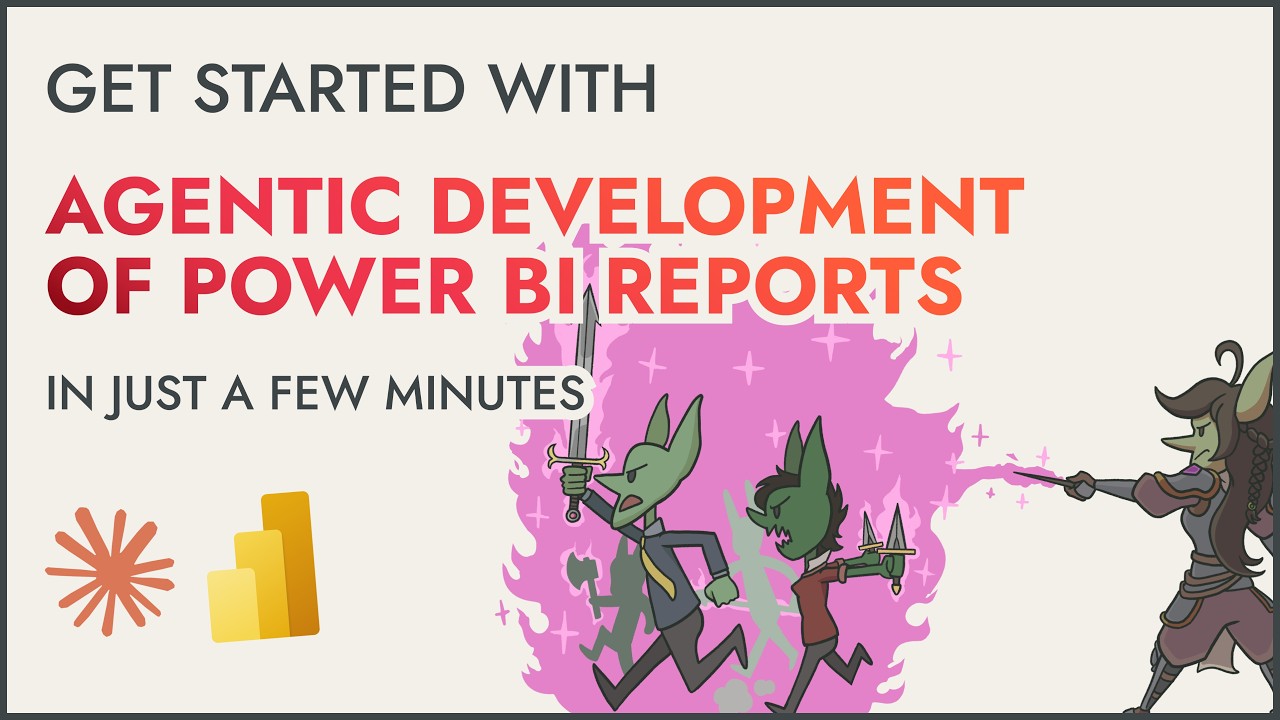
建立、格式化、最佳化及檢視互動式 Power BI 報表,並提供遵循 pbir CLI 的報表面板,顯示 Claude 讀取與修改的內容。

在提示列上方、狀態列與通知中顯示未讀 AMP 訊息,還能喚醒閒置的 Claude Code 工作階段來讀取。需要 Claude Code 2.1.287 或更新版本。