
ray-amjad@ray-amjad
ray-amjad/awesome-claude-code-function-hooks/tree/main/plugins/secret-redactor
비밀 정보, 이메일 주소, IP 주소를 세션 대화 기록에서 제외합니다. 들어올 때 일정한 자리표시자로 바꾸고 도구 호출에 전달할 때 실제 값으로 복원합니다.
ray-amjad/awesome-claude-code-function-hooks/tree/main/plugins/secret-redactor
비밀 정보, 이메일 주소, IP 주소라는 세 종류의 값을 세션 대화 기록에서 제외합니다.
먼저 함수 훅을 켜세요. 이것은 Claude Code의 함수 훅으로, anthropics/claude-code#91870 에서 제안된 얼리 액세스 기능입니다. 기본적으로 꺼져 있으며 켜기 전에는 이 플러그인이 아무 작업도 하지 않습니다.
~/.claude/settings.json에"env": { "CLAUDE_CODE_ENABLE_FUNCTION_HOOKS": "1" }을 추가하거나,CLAUDE_CODE_ENABLE_FUNCTION_HOOKS=1 claude로 세션을 시작하세요.
값은 폐기되지 않습니다. 훅 모듈 안에서 해당 세션 동안 메모리에만 존재하는 보관소에 저장되고, 대화 기록에는 대신 자리표시자가 들어갑니다.
ANTHROPIC_API_KEY=[REDACTED-SECRET-164d0c98]
SUPPORT_EMAIL=[REDACTED-EMAIL-6f096ff7]
EDGE_ORIGIN=[REDACTED-IP-6fc52d2b]
같은 값은 항상 같은 자리표시자를 만들므로 모델은 고객을 서로 구별할 수 있습니다. 도구 호출에 들어갈 때 실제 값으로 복원되므로 Bash 명령이나 Write에는 실제 키가 전달됩니다. 디스크에는 아무것도 기록하지 않습니다. 보관소는 세션 종료와 함께 사라집니다.
| 이벤트 | 동작 |
| --- | --- |
| prompt.submit | 붙여 넣은 키가 원래 값 그대로 모델에 전달되지 않습니다 |
| tool.call | 도구 입력에 실제 값을 복원한 뒤 도구 결과에서 다시 숨깁니다. 보통 비밀 정보는 여기서 들어옵니다. cat .env, 설정을 읽는 Read, API 응답 등이 해당합니다 |
| prompt.context | 첫 메시지에 첨부되는 블록의 비밀 정보를 숨깁니다. 이메일은 그대로 둡니다. 엔진이 모델에게 대화 상대를 알려 주려고 그 블록에 사용자의 주소를 넣기 때문입니다 |
다음 세 가지를 순서대로 검사합니다.
sk-ant-, ghp_, AKIA, sk_live_, whsec_, AIza,
xoxb-, JWT, Slack 또는 Discord webhook, PRIVATE KEY 블록,
postgres://user:pass@host 문자열 속 비밀번호. 발견하면 바로 숨깁니다.API_KEY=, "token":, Bearer, password: 등의 뒤에 있는 경우입니다.네 가지 규칙이 오탐을 줄입니다. 이 규칙들을 함께 적용하면 대규모 Next.js 모노레포의 추적 대상 소스 트리 전체에서 탐지가 두 건으로 줄며, 둘 다 실제 비밀 정보입니다.
price_, prod_, cus_, promo_,
pk_live_ 등 Stripe 객체 id와 YouTube 채널 id는
대시보드와 소스에 표시됩니다. 숨겨도 보호할 것이 없습니다.archived-modules-marker,
lesson_article_outline_open_v1, playerEventBatchV1Schema,
randomTimestampWithinLast14Days,
META_Conv_Lookalike-Customers_FreeTrial_2024Q1은 모두 엔트로피가 높아 보입니다.
하지만 단어의 조합이며, 키는 단어로 구성되지 않습니다.API_KEY= 또는 "token":이 있을 때만 비밀 정보로 판정합니다.noreply@, @users.noreply.github.com,
문서용 도메인(@example.com, @company.com, @test),
자리표시자 로컬 부분(you@, name@, admin@), allowEmails의 항목은 제외합니다.
공개한 자신의 주소를 @yourdomain.com 등의 형태로 이 옵션에 넣으면
자신의 연락처 주소가 읽을 수 있는 상태로 유지됩니다.127.0.0.1:3000이 흔하므로
사설 및 예약 범위는 기본적으로 표시합니다. 루프백, 10.x,
192.168.x, 172.16-31.x, 링크 로컬, 통신사급 NAT, 멀티캐스트,
벤치마킹 범위, RFC 5737 문서용 범위가 포함됩니다. redactPrivateIps를 설정하면 이 주소들도 숨깁니다.사용자 설정의 pluginConfigs 아래에서 플러그인별로 설정합니다.
| 옵션 | 기본값 | 동작 |
| --- | --- | --- |
| secrets | true | 비밀 정보 숨기기 |
| pii | true | 이메일과 IP 주소 숨기기 |
| restoreInToolInputs | true | 도구 실행 전에 실제 값 복원 |
| notify | true | 도구 행에 개수, 프롬프트에 토스트 표시 |
| minEntropy | 3.6 | 대소문자 혼합 검사의 문자당 비트 수 |
| minLength | 24 | 대소문자 혼합 검사에 적용할 최소 토큰 길이 |
| contextMinEntropy | 3.0 | 앞에 키 이름이 있을 때의 문자당 비트 수 |
| redactPrivateIps | false | 예약 범위도 숨기기 |
| allow | "" | 그대로 둘 정확한 문자열, 쉼표로 구분 |
| allowEmails | "" | 주소 또는 @domain.com, 쉼표로 구분 |
| allowPrefixes | "" | 공개 id로 취급할 추가 접두사 |
| denyPrefixes | "" | 엔트로피 검사 대상으로 되돌릴 접두사 |
모든 명령은 이 저장소의 루트에서 실행하세요.
1단계: 타입 선언을 만듭니다. 새 Claude Code 릴리스가 다시 작성하므로 git에는 포함되지 않습니다.
이 명령은 tsconfig.json이 참조하는 types/claude-code.d.ts를 작성합니다.
/plugin-types
2단계: 탐지기 테스트와 플러그인 검증기를 실행합니다.
node --experimental-strip-types plugins/secret-redactor/test/detect.test.mts
claude plugin validate plugins/secret-redactor
test/detect.test.mts에는 반드시 숨겨야 하는 값과 반드시 유지해야 하는 값의 두 목록이 있습니다.
임계값이나 패턴 변경은 두 목록이 모두 계속 통과해야 완료됩니다.
3단계: 엔드투엔드로 시험합니다.
claude --plugin-dir plugins/secret-redactor \
  -p "cat plugins/secret-redactor/test/fixtures/sample.env, then repeat the values back"
먼저 작성자의 README에서 marketplace와 플러그인 이름을 확인하세요. 저장소 구조에 따라 명령어가 달라질 수 있습니다.
claude plugin marketplace add ray-amjad/awesome-claude-code-function-hooks
claude plugin install secret-redactor
Keeps three classes of value out of the session transcript: secrets, email addresses and IP addresses.
Turn function hooks on first. This is a Claude Code function hook, the early-access feature proposed in anthropics/claude-code#91870. It is off by default, and this plugin does nothing until you turn it on. Add
"env": { "CLAUDE_CODE_ENABLE_FUNCTION_HOOKS": "1" }to~/.claude/settings.json, or start one session withCLAUDE_CODE_ENABLE_FUNCTION_HOOKS=1 claude.
The value is not destroyed. It goes into a vault that lives in the hooks module, in memory, for the session, and the transcript gets a placeholder in its place:
ANTHROPIC_API_KEY=[REDACTED-SECRET-164d0c98]
SUPPORT_EMAIL=[REDACTED-EMAIL-6f096ff7]
EDGE_ORIGIN=[REDACTED-IP-6fc52d2b]
The same value always mints the same placeholder, so the model can still tell
one customer from another. The placeholder is swapped back for the real value
on the way into a tool call, so a Bash command or a Write still carries the
real key. Nothing is written to disk. The vault dies with the session.
| Event | What it does |
| --- | --- |
| prompt.submit | A key you paste never reaches the model as itself |
| tool.call | Puts real values back into the tool's input, then hides them again in the tool's result. This is where a secret usually arrives: a cat .env, a Read of a config, an API answer |
| prompt.context | Hides secrets in the blocks attached to the first message. Emails are left alone there: the engine puts your own address in that block so the model knows who it is talking to |
Three tests, in order.
sk-ant-, ghp_, AKIA, sk_live_, whsec_, AIza,
xoxb-, a JWT, a Slack or Discord webhook, a PRIVATE KEY block, the
password inside a postgres://user:pass@host string. Hidden on sight.API_KEY=, "token":, Bearer, password: and the like.Four rules stop the noise. Together they take a large Next.js monorepo down to two hits across its whole tracked source tree, and both are real secrets.
price_, prod_, cus_, promo_,
pk_live_ and the rest of Stripe's object ids, and a YouTube channel id, are
printed in dashboards and in source. Hiding them protects nothing.archived-modules-marker,
lesson_article_outline_open_v1, playerEventBatchV1Schema,
randomTimestampWithinLast14Days and
META_Conv_Lookalike-Customers_FreeTrial_2024Q1 all read as high entropy.
They are word lists. A key is not built out of words.API_KEY= or "token": sits in front of it.noreply@, @users.noreply.github.com,
documentation domains (@example.com, @company.com, @test),
placeholder local parts (you@, name@, admin@), and anything in
allowEmails. Put your own published addresses in that option, as
@yourdomain.com, so your own contact address stays readable.127.0.0.1:3000 is everywhere in dev: loopback, 10.x,
192.168.x, 172.16-31.x, link-local, carrier-grade NAT, multicast, the
benchmarking range, and the RFC 5737 documentation ranges. Set
redactPrivateIps to hide those too.Set them per plugin under pluginConfigs in your user settings.
| Option | Default | What it does |
| --- | --- | --- |
| secrets | true | Hide secrets |
| pii | true | Hide emails and IP addresses |
| restoreInToolInputs | true | Put the real value back before a tool runs |
| notify | true | Count on the tool row, toast on a prompt |
| minEntropy | 3.6 | Bits per character for the mixed-case test |
| minLength | 24 | Shortest token the mixed-case test looks at |
| contextMinEntropy | 3.0 | Bits per character when a key name sits in front |
| redactPrivateIps | false | Hide reserved ranges too |
| allow | "" | Exact strings to leave alone, separated by commas |
| allowEmails | "" | Addresses, or @domain.com, separated by commas |
| allowPrefixes | "" | Extra id prefixes to treat as public |
| denyPrefixes | "" | Prefixes to put back under the entropy test |
Run every command from the root of this repo.
Step 1. Make the type declarations. They are not in git, because a new Claude
Code release rewrites them. This command writes types/claude-code.d.ts, which
tsconfig.json points at:
/plugin-types
Step 2. Run the detector test and the plugin validator:
node --experimental-strip-types plugins/secret-redactor/test/detect.test.mts
claude plugin validate plugins/secret-redactor
test/detect.test.mts holds two lists: values that must be hidden and values
that must be kept. A change to a threshold or a pattern is only finished when
both still pass.
Step 3. Try it end to end:
claude --plugin-dir plugins/secret-redactor \
  -p "cat plugins/secret-redactor/test/fixtures/sample.env, then repeat the values back"
내 프로젝트인가요? 이 배지를 README나 웹사이트에 넣으면 이 페이지로 연결됩니다.


pii-guard Mod(Claude Mods 프런트엔드)

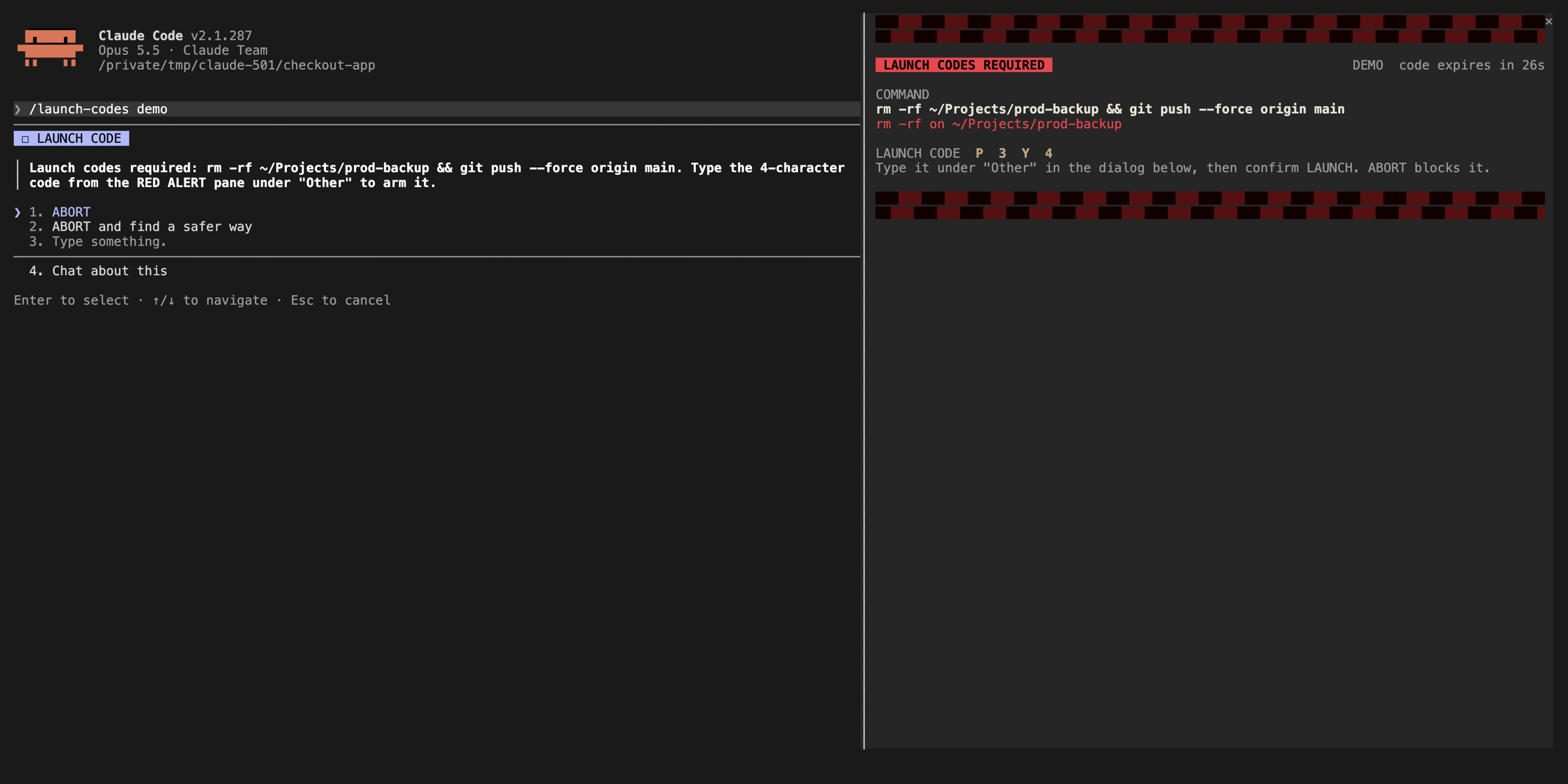
위험한 명령에 일회성 확인 코드를 추가해 실수로 실행하는 일을 방지합니다.

비밀 위치(dotenv 파일, 개인 키, ~/.ssh, ~/.aws, ~/.gnupg, pass 저장소)에 대한 Edit、Write、NotebookEdit와 URL 안의 비밀번호를 포함한 자격 증명 형태의 콘텐츠를 거부하는 Claude Code 보호 mod입니다. 해당 경로로의 Bash 쓰기와 내용을 출력할 수 있는 Bash 읽기도 거부하며, 자체 테스트를 포함합니다.

GitHub Actions 워크플로의 Edit/Write 편집을 감시하는 Claude Code mod입니다. 단계가 움직이는 ref(tag 또는 branch)를 가리키면 대신 쓸 commit SHA를 모델에 알려 주며, 선택적 deny 모드는 ref가 고정될 때까지 git commit, push, merge를 막습니다.

환경 변수를 출력하거나 민감한 변수를 echo하거나 로컬 데이터를 원격 호스트로 보내기 전에 확인하는 Baselane Claude Code guard입니다.

Claude Code에 대한 클릭 가능한 안전 규칙: rm -rf 차단, force-push, 대량 kubectl 삭제, 비밀 파일 액세스, sudo 및 네트워크 호출, 사전 설정 및 jail-to-project 모드 포함.