krika2810@krika2810
krika2810/keep-cache-warm
1시간 프롬프트 캐시를 따뜻하게 유지하는 Claude Code 함수 훅 플러그인입니다. 약 55분 유휴 후 $.model.fork로 캐시된 접두사를 다시 보내 다음 턴의 전체 캐시 쓰기를 피하며, ping 제한과 안전장치를 제공합니다.
krika2810/keep-cache-warm
cache-keepalive는 Claude Code 2.1.289용 Claude Code 모드(함수 훅 플러그인)로, 자리를 비운 동안에도 1시간 프롬프트 캐시가 식지 않게 합니다.
작동 방식:
turn.step에 훅을 걸어 주 스레드 모델 요청이 전송된 시각을 기록합니다. 응답에서 캐시 읽기나 쓰기가 보고된 요청만 셉니다.$.model.fork를 호출하고 주 스레드의 마지막 요청을 그대로 다시 보냅니다. 그러면 API가 전체 접두사를 캐시에서 제공하고, 전체 캐시 쓰기 없이 항목의 60분 수명을 다시 시작합니다.안전장치: ping 상한(maxPings, 기본 6, 0 = 무제한), 59+분에 도달한 늦은 타이머 건너뛰기, 캐시 적중이 없으면 toast와 함께 중지, 서브에이전트 요청 무시, 턴 중간 ping 금지, 실패한 요청은 예열로 계산하지 않기.
비용: ping은 캐시 읽기 1회와 fork의 캐시되지 않은 입출력(thinking 포함)으로 청구됩니다. 대부분의 모델에서 캐시 읽기는 기본 입력의 0.1배이며 일부는 더 저렴합니다. ping이 없으면 만료 후 첫 턴에서 전체 대화를 기본 입력의 2배로 다시 씁니다. 따라서 큰 대화에서는 보통 keep-alive가 더 저렴하지만, 작은 대화나 ping이 여러 번 발생하면 더 비쌀 수 있습니다.
사용법: /cache-keepalive(상태), off, on, now. 상태 줄에는 cache keep-alive: armed (n/6)가 표시됩니다.
/config 또는 pluginConfigs에서 idleMinutes(기본 55, 1-58로 제한)와 maxPings(기본 6)을 설정할 수 있습니다.
로드: claude --plugin-dir ./keep-cache-warm. 검증/테스트: claude plugin validate . 및 claude plugin test .. MIT 라이선스입니다.
먼저 작성자의 README에서 marketplace와 플러그인 이름을 확인하세요. 저장소 구조에 따라 명령어가 달라질 수 있습니다.
claude plugin marketplace add krika2810/keep-cache-warm
claude plugin install cache-keepalive
cache-keepalive: a Claude Code mod (function-hooks plugin) that keeps the 1-hour prompt cache from going cold while you step away.
Compatibility: Claude Code mods and function hooks are early access, and their API can change between Claude Code releases. This repository was tested against Claude Code 2.1.289. After upgrading, load the mod once so Claude Code rewrites its type definitions in
.claude-plugin/types/. Then re-runclaude plugin validate .andclaude plugin test ..
turn.step and records when each main-thread model request is sent. It counts only requests whose response reports cache reads or writes.$.model.fork with a tiny "reply ok" prompt. The fork resends the main thread's last request exactly (same model, system prompt, tool definitions and messages) with that prompt appended. The API serves the whole prefix from the cache, and the read restarts the entry's 60-minute lifetime without paying for another full cache write.maxPings pings in a row (default 6, about 5.5 hours) so an abandoned session doesn't keep spending. Set it to 0 for no limit.A ping is not free. It is billed as one cache read of the conversation, plus the fork's uncached input (its short prompt) and its output, including any thinking. A cache read costs 0.1× the base input price on most models, and less on some: 0.05× on Claude Opus 5.5 and 0.025× on Claude Fable 5.1.
Without the ping, the first turn after the cache expires writes the whole conversation to the cache again. With the 1-hour TTL, that write costs 2× the base input price. For a large conversation, a keep-alive read is usually much cheaper than that rewrite. The fork's own input and output costs don't shrink with the conversation, though, so on a small conversation, or after many pings in a row, keeping the cache warm can cost more than letting it expire. That is why maxPings caps the run.
/cache-keepalive           # status: minutes until the next ping, pings sent
/cache-keepalive off       # stop for this session
/cache-keepalive on        # resume
/cache-keepalive now       # ping immediately
The status line shows cache keep-alive: armed (n/6) while a countdown is running.
/config or pluginConfigs in settings)| Field | Default | Meaning |
| --- | --- | --- |
| idleMinutes | 55 | Minutes after the last cache-touching request before a ping (clamped to 1–58, so a ping is always due before the 59-minute cutoff) |
| maxPings | 6 | Pings in a row before giving up; 0 means no limit |
claude --plugin-dir ./keep-cache-warm
claude plugin validate .
claude plugin test .

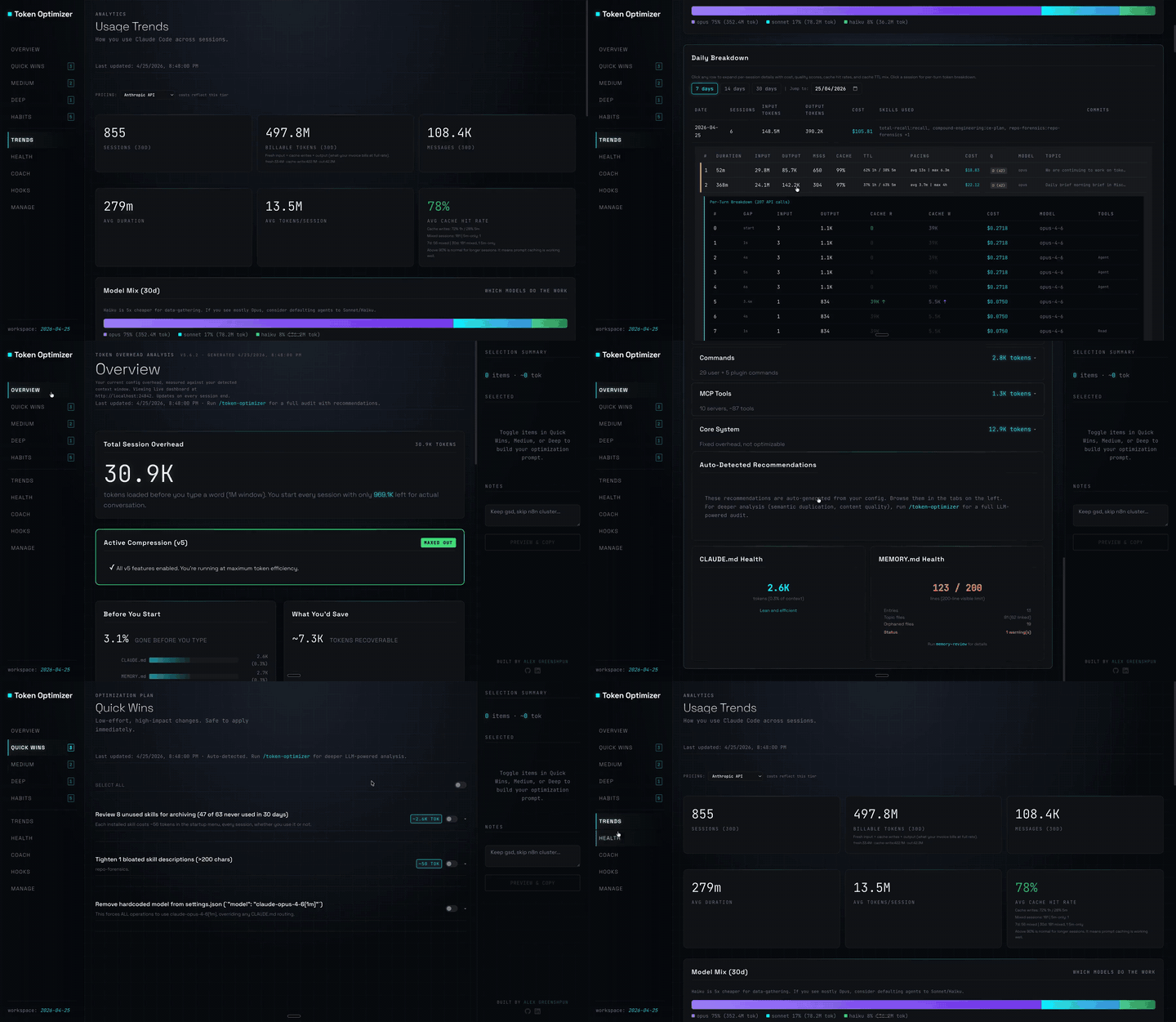
도구 출력을 압축하고, 압축 전 체크포인트를 만들고, 컨텍스트 품질을 평가하며, 로컬 대시보드에 token/비용 절감액을 보고하는 Claude Code 플러그인입니다. hooks와 localhost 데몬을 함께 제공합니다.

무사용 세션의 프롬프트 캐시를 조용한 ping으로 따뜻하게 유지한 다음 캐시가 따뜻할 때 큰 세션을 한 번 압축하는 Claude Code mod입니다.
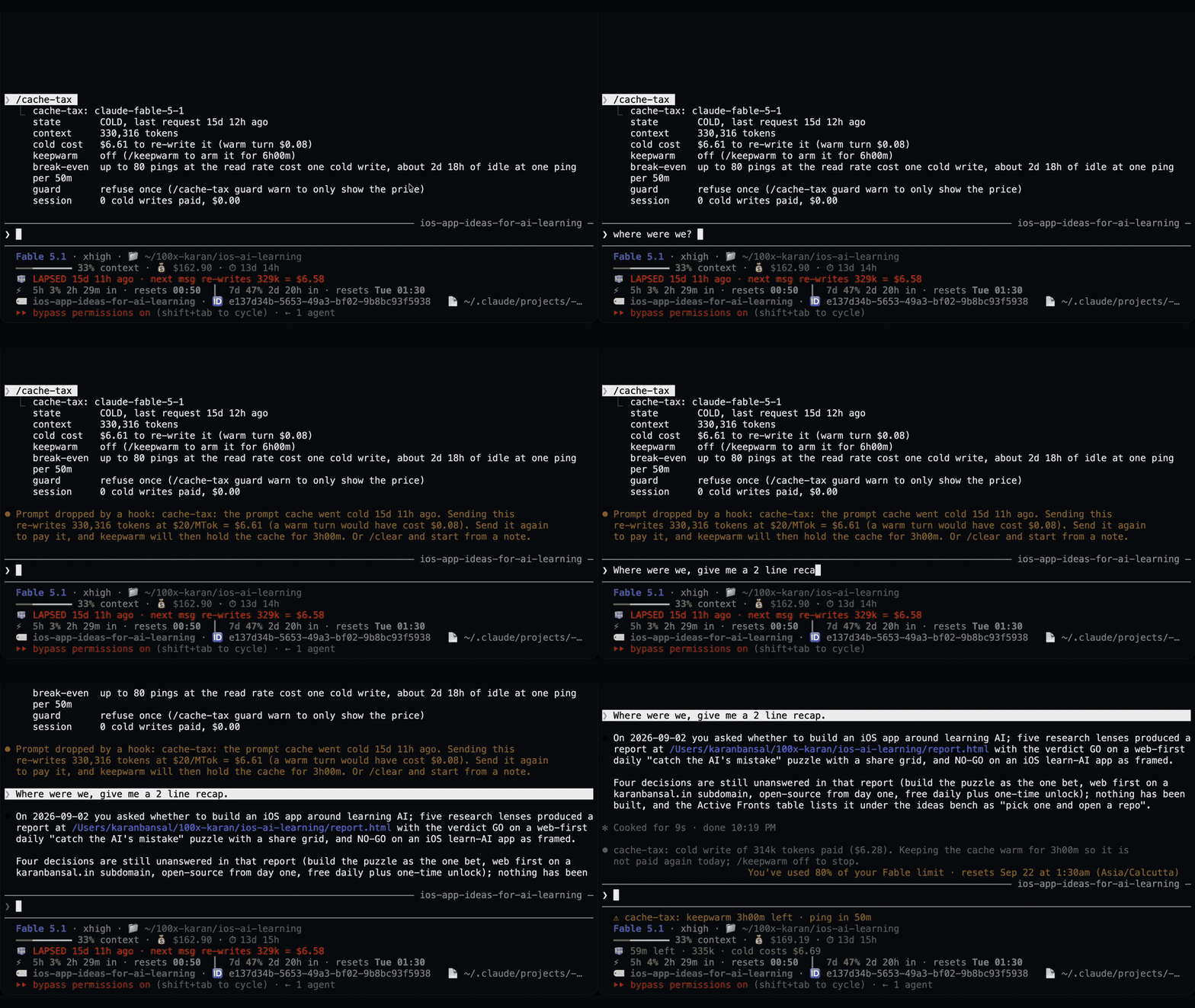
쉬는 동안 1시간 프롬프트 캐시를 따뜻하게 유지하고 예상 재작성 비용을 보여 주며 콜드 전송을 한 번 막는 Claude Code 모드입니다. 워밍업에는 모델 요청과 토큰이 사용됩니다. Claude Code 2.1.287+가 필요합니다.