krika2810@krika2810
krika2810/keep-cache-warm
1時間のプロンプトキャッシュを温かく保つ Claude Code の関数フックプラグイン。約55分のアイドル後に $.model.fork でキャッシュ済みプレフィックスを再送し、次のターンで全体を書き直すのを避ける。ping 上限と安全策も備える。
krika2810/keep-cache-warm
cache-keepalive は Claude Code 2.1.289 向けの Claude Code mod(関数フックプラグイン)で、席を外している間も1時間のプロンプトキャッシュを冷やさない。
仕組み:
turn.step にフックして、メインスレッドのモデルリクエストが送信された時刻を記録する。レスポンスがキャッシュの読み取りまたは書き込みを報告したリクエストだけを数える。$.model.fork を呼ぶ。メインスレッドの最後のリクエストをそのまま再送するため、API はプレフィックス全体をキャッシュから返し、全体を書き直さずにエントリの60分の有効期間を延長できる。安全策:ping の上限(maxPings、デフォルト6、0 = 無制限)、59+分での遅いタイマーのスキップ、キャッシュヒットがない場合の toast 付き停止、サブエージェントのリクエストの無視、ターン中の ping 禁止、失敗したリクエストを保温として数えない処理。
コスト:ping はキャッシュ読み取り1回と、fork のキャッシュされない入出力(thinking を含む)として課金される。多くのモデルではキャッシュ読み取りは基礎入力の0.1倍で、一部のモデルではさらに安い。ping がなければ、有効期限後の最初のターンで会話全体を基礎入力の2倍で書き直す。そのため大きな会話では通常 keep-alive の方が安いが、小さな会話や ping 回数が多い場合は高くなることがある。
使い方:/cache-keepalive(状態)、off、on、now。状態行には cache keep-alive: armed (n/6) と表示される。
/config または pluginConfigs で設定できるオプションは、idleMinutes(デフォルト55、1-58に制限)と maxPings(デフォルト6)。
読み込み:claude --plugin-dir ./keep-cache-warm。検証/テストは claude plugin validate . と claude plugin test .。MIT ライセンス。
まず作者の README で marketplace とプラグイン名を確認してください。コマンドはリポジトリの構成によって変わる場合があります。
claude plugin marketplace add krika2810/keep-cache-warm
claude plugin install cache-keepalive
cache-keepalive: a Claude Code mod (function-hooks plugin) that keeps the 1-hour prompt cache from going cold while you step away.
Compatibility: Claude Code mods and function hooks are early access, and their API can change between Claude Code releases. This repository was tested against Claude Code 2.1.289. After upgrading, load the mod once so Claude Code rewrites its type definitions in
.claude-plugin/types/. Then re-runclaude plugin validate .andclaude plugin test ..
turn.step and records when each main-thread model request is sent. It counts only requests whose response reports cache reads or writes.$.model.fork with a tiny "reply ok" prompt. The fork resends the main thread's last request exactly (same model, system prompt, tool definitions and messages) with that prompt appended. The API serves the whole prefix from the cache, and the read restarts the entry's 60-minute lifetime without paying for another full cache write.maxPings pings in a row (default 6, about 5.5 hours) so an abandoned session doesn't keep spending. Set it to 0 for no limit.A ping is not free. It is billed as one cache read of the conversation, plus the fork's uncached input (its short prompt) and its output, including any thinking. A cache read costs 0.1× the base input price on most models, and less on some: 0.05× on Claude Opus 5.5 and 0.025× on Claude Fable 5.1.
Without the ping, the first turn after the cache expires writes the whole conversation to the cache again. With the 1-hour TTL, that write costs 2× the base input price. For a large conversation, a keep-alive read is usually much cheaper than that rewrite. The fork's own input and output costs don't shrink with the conversation, though, so on a small conversation, or after many pings in a row, keeping the cache warm can cost more than letting it expire. That is why maxPings caps the run.
/cache-keepalive           # status: minutes until the next ping, pings sent
/cache-keepalive off       # stop for this session
/cache-keepalive on        # resume
/cache-keepalive now       # ping immediately
The status line shows cache keep-alive: armed (n/6) while a countdown is running.
/config or pluginConfigs in settings)| Field | Default | Meaning |
| --- | --- | --- |
| idleMinutes | 55 | Minutes after the last cache-touching request before a ping (clamped to 1–58, so a ping is always due before the 59-minute cutoff) |
| maxPings | 6 | Pings in a row before giving up; 0 means no limit |
claude --plugin-dir ./keep-cache-warm
claude plugin validate .
claude plugin test .

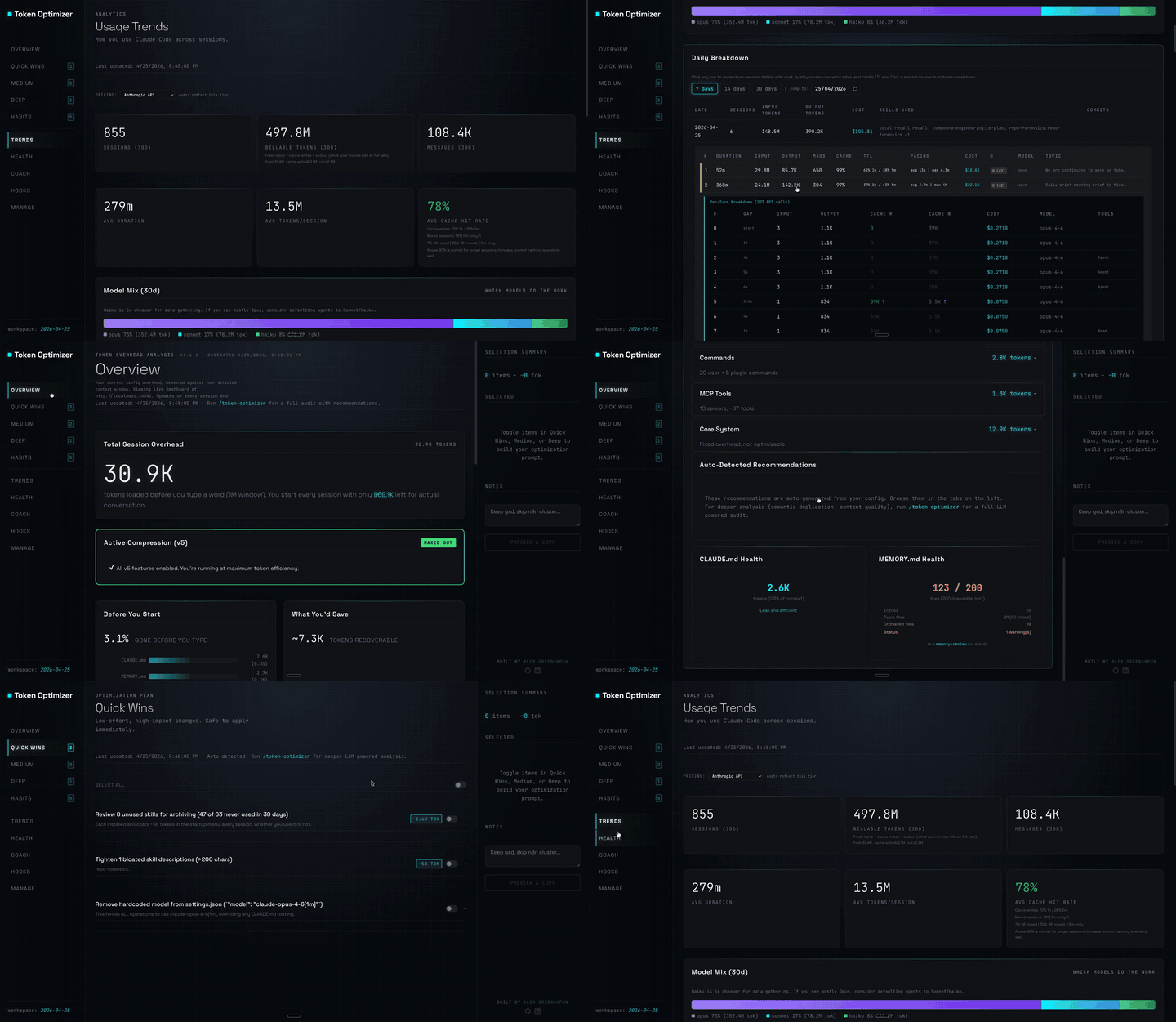
ツール出力を圧縮し、コンパクション前にチェックポイントを作成し、コンテキスト品質を採点して、ローカルダッシュボードに token/コスト削減を表示する Claude Code プラグインです。hooks と localhost デーモンも含みます。

無操作のセッションのプロンプトキャッシュをサイレントな ping で温め、キャッシュが温かいうちに大きなセッションを 1 回だけ圧縮する Claude Code mod です。
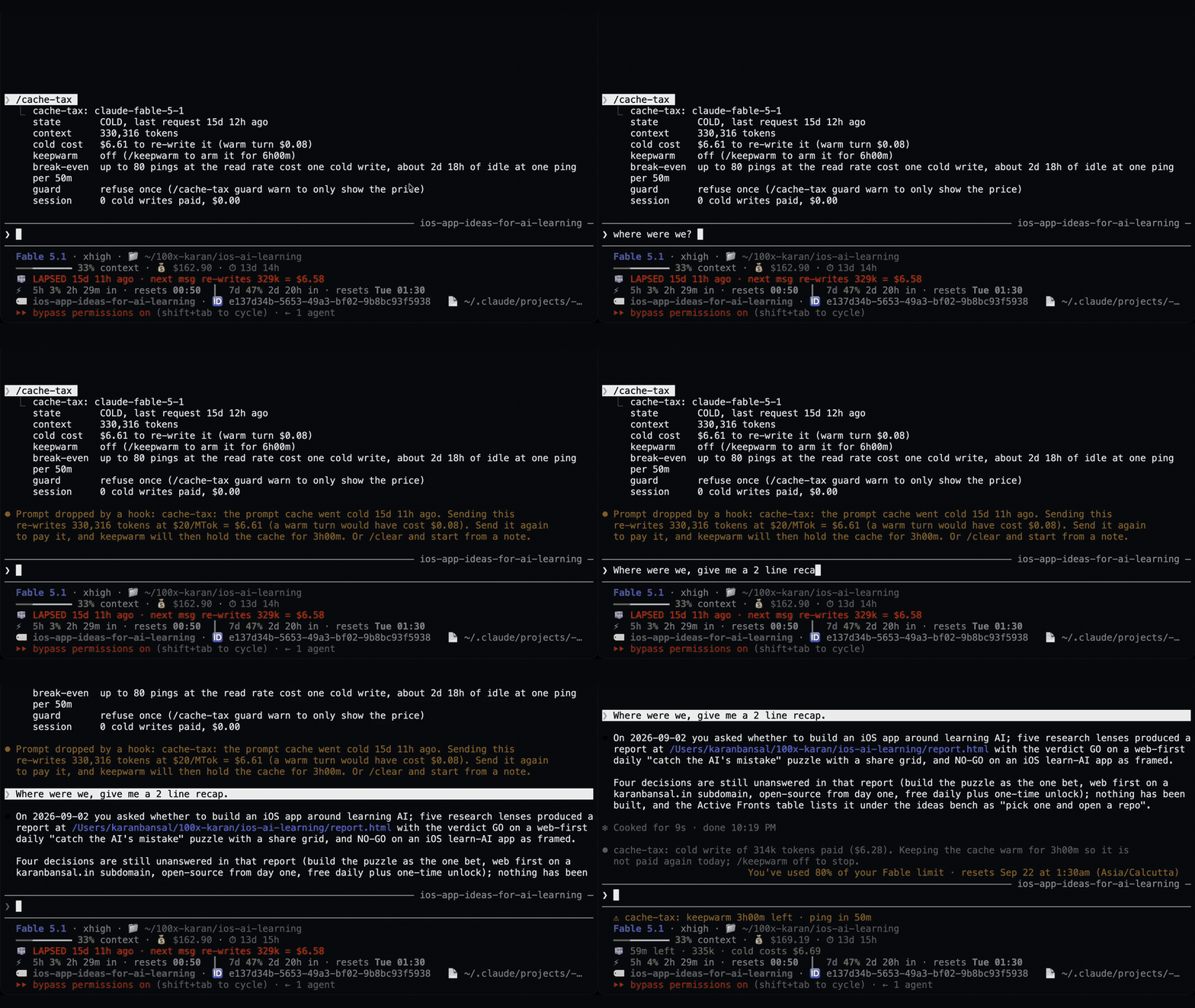
休憩中も 1 時間のプロンプトキャッシュを温め、冷えた状態での送信を推定書き換えコストとともに一度止める Claude Code mod。ウォームアップはモデル要求を使い、トークンを消費します。Claude Code 2.1.287+ が必要です。